What is Gynecologic Oncology Surgery?
Gynecologic oncology surgery addresses cancer and abnormalities in the female reproductive system, including:
- Uterus
- Cervix
- Ovaries
- Fallopian Tubes
- Vulva
Gynecologic oncologists are trained extensively to provide comprehensive care, working with nurses, oncologists, and radiologists to treat conditions requiring surgical intervention.
Diagnostic Methods in Gynecologic Oncology
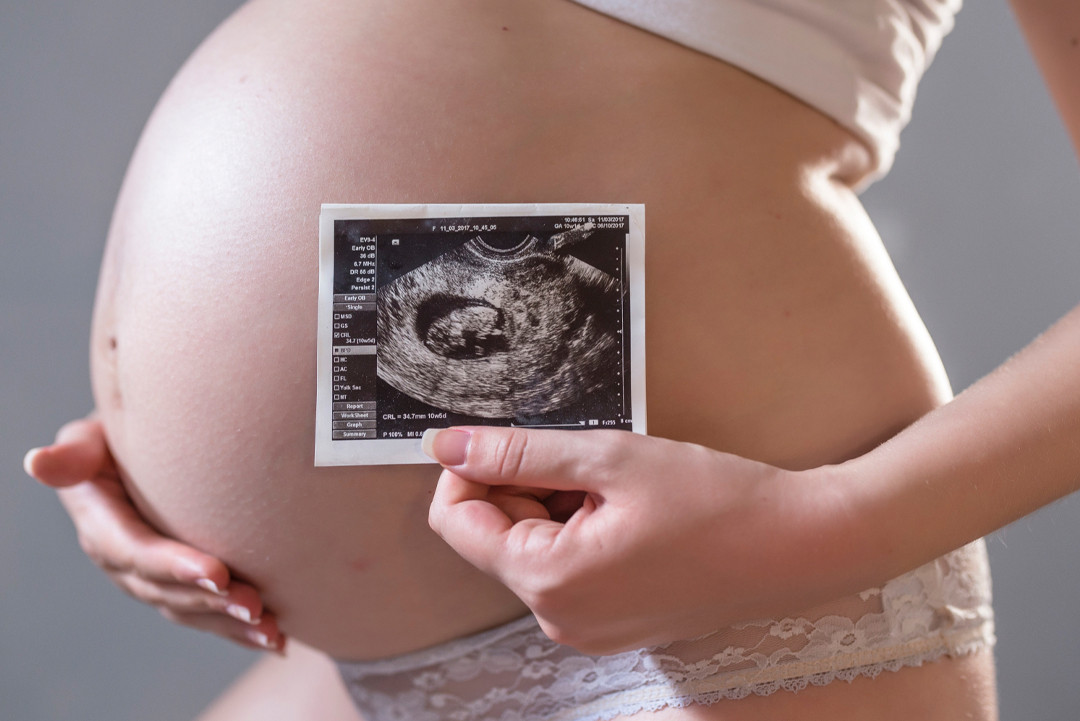
- Vaginal Ultrasound: High-frequency sound waves visualize the uterus and reproductive organs.
- Hysteroscopy: A vaginal camera examines and sometimes treats abnormalities in the uterus.
- Biopsy or Dilation & Curettage (D&C): Tissue samples confirm cancerous growths.
- Imaging Techniques:
- CT Scan: Provides detailed 3D images of internal organs.
- MRI: Uses magnets and radio waves for high-resolution imaging.
- Pap Smear (PAP Test): Detects precancerous changes in cervical cells.
Conditions Treated in Gynecologic Oncology
- Uterine Cancer: Abnormal cell growth in the uterine lining. Symptoms: pain during urination, bloating, abdominal pain.
- Cervical Cancer: Cancer in the cervix lining. Symptoms: abnormal discharge, pain during intercourse.
- Ovarian Cancer: Malignant growth in ovarian cells. Symptoms: vaginal bleeding, abdominal bloating.
- Vulvar Cancer: Cancer of the external genitalia. Symptoms: persistent itching, pain, lumps, or wart-like formations.
Common Surgical Procedures in Gynecologic Oncology
- Hysterectomy:
- Total Hysterectomy: Removes uterus and cervix.
- Supracervical Hysterectomy: Removes the uterus while leaving the cervix intact.
- Radical Hysterectomy: Removes the uterus, cervix, and surrounding tissues.
- Oophorectomy: Removal of one or both ovaries. Common reasons include ovarian cancer, large benign cysts, or severe endometriosis.
- Salpingectomy: Removal of one or both fallopian tubes. Indications:
- Ectopic pregnancy
- Pelvic inflammatory disease
- Fallopian tube cancers
- Vulvectomy: Removal of part or all of the vulva to treat vulvar cancer or precancerous conditions.
- Radical Trachelectomy: Removes the cervix and part of the vagina while preserving the uterus, suitable for early-stage cervical cancer patients desiring fertility preservation.
Advances in Gynecologic Oncology Surgery
Modern surgical techniques, such as laparoscopy and robot-assisted surgery, have enhanced outcomes, reducing recovery time, pain, and complications.
Post-Surgery Care
Post-surgical symptoms can include fatigue, pain, and menopausal symptoms if ovaries are removed. Patients are encouraged to:
- Follow prescribed medications.
- Attend follow-up visits.
- Monitor for complications such as infection or excessive bleeding.
Gynecologic oncology surgeons may combine surgery with chemotherapy or radiation therapy for comprehensive treatment.
For the best outcomes, personalized care and a multidisciplinary approach are essential.